From quiet farming and enormous fantasy inns to ant reincarnation and intergalactic death games, web fiction is finding inventive new ways to explore another life in another world.
What if you could begin a second life in a world that operates by entirely different rules? For Japanese light novel readers, that question has inspired an enormous range of stories: reincarnated heroes, magical academies, overpowered protagonists, and surprisingly peaceful lives in fantasy villages.
But the appeal of isekai is not confined to Japan. English-language authors publish serials on platforms such as Royal Road, build devoted audiences, and sometimes go on to release ebooks, audiobooks, comics, and print editions. What makes this scene especially interesting is the way it mixes influences: Japanese reincarnation tropes, Chinese cultivation fantasy, Western portal adventures, and tabletop or video game mechanics.
This feature explores ten English-language novels worth discovering in 2026. Eight are established titles; two are newer Royal Road stories attracting attention this year. They are not presented as an overall sales or popularity ranking. And not every entry is technically reincarnation fiction: the selection also includes LitRPG, portal fantasy, progression fantasy, and system apocalypse stories.
Three Useful Terms: Isekai, LitRPG, and Progression Fantasy
Isekai, the Japanese word for “another world,” is now widely used by English-speaking fantasy readers. It usually refers to characters transported to, trapped in, or reborn into another reality. It overlaps with the older term portal fantasy, but the two labels do not cover precisely the same traditions.
LitRPG is fiction in which role-playing game mechanics—levels, experience points, skills, statistics, classes, and similar systems—are part of the fictional world. The systems matter to the plot rather than functioning merely as an aesthetic reference to games.
Progression fantasy emphasizes a character’s growth in skill, power, knowledge, or status. Its protagonists might train in magic, master martial arts, or develop unusual abilities. Numerical game mechanics aren’t required.
These labels frequently overlap. A single story might involve reincarnation into another world, a detailed class system, and a long arc of incremental personal growth. The richness lies in how writers combine the ingredients rather than in keeping the categories separate.
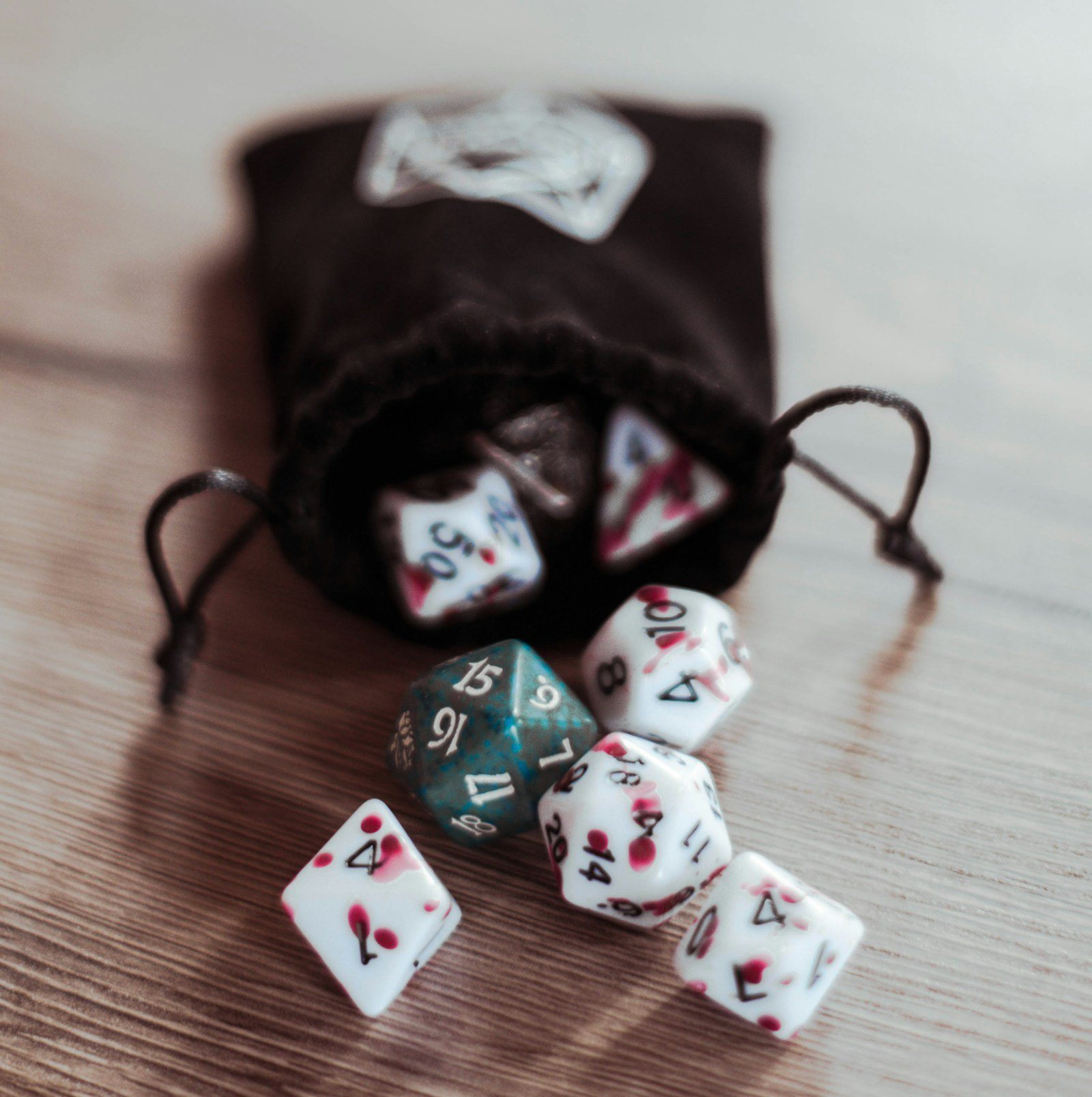
1. Dungeon Crawler Carl — When Surviving the Apocalypse Becomes Entertainment
Matt Dinniman | LitRPG, science fiction, dark comedy
Earth has been devastated by extraterrestrials, and its remaining survivors are forced into an immense underground dungeon. Carl enters with Princess Donut, his former girlfriend’s cat. Monsters, traps, and deadly challenges would be enough trouble, but the dungeon has an even more disturbing purpose: it is a reality show broadcast to an audience across the galaxy.
The series makes its game mechanics central to survival while also asking what happens when suffering becomes entertainment. Players need to stay alive, but performing for the audience is part of the system. The comedy is frequently outrageous, yet the premise leaves room for pointed satire about exploitation and spectacle.
If you know Japanese dungeon-crawling light novels, you’ll recognize some of the structural pleasures: rewards, classes, improbable challenges, and evolving tactics. Dinniman takes those elements in a different direction, combining them with science-fiction absurdity and a harsh sense of humor.
Print editions from Ace helped the series move into the wider US book market. Its success demonstrates that game-structured fiction can connect with readers beyond a web-serial niche.
Try it if you like: ingenious game rules, high-stakes survival, and darkly comic storytelling.
2. Beware of Chicken — A Cultivator Who Would Rather Farm
Casualfarmer | Isekai, cultivation fantasy, cozy comedy
Cultivation fantasy usually asks a familiar question: how high can a person rise through training and spiritual power? Its heroes spend their lives overcoming rivals, advancing through power realms, and pursuing something close to immortality.
The protagonist of Beware of Chicken has a more modest ambition. After entering this dangerous world, he wants to escape its violent competition and start a farm.
That reversal is the story’s central joke, but also its appeal. Cultivation conventions are still present, and the world’s extraordinary forces don’t vanish just because the protagonist would prefer to grow crops. Farm animals gradually become essential to the story, while peaceful routines repeatedly intersect with adventure.
Readers familiar with Japanese slow-life isekai will immediately understand the attraction of leaving an exhausting hierarchy behind. What distinguishes Beware of Chicken is how it builds that impulse on the foundation of Chinese-inspired xianxia, creating a hybrid that is neither simply a Japanese-style light novel nor a conventional Western fantasy.
Try it if you like: cozy stories, farming, animal characters, and affectionate parody of cultivation tropes.
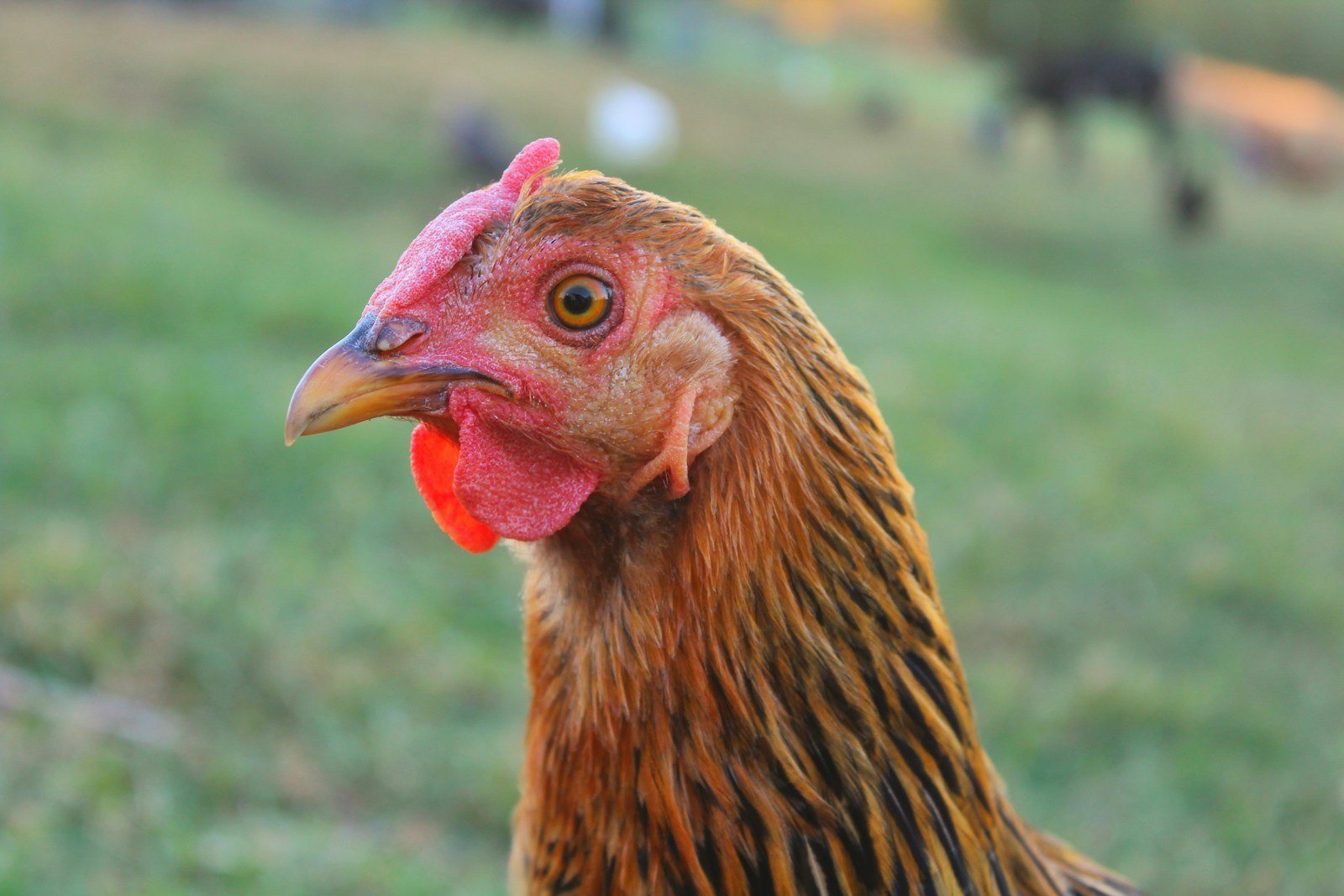
3. The Wandering Inn — A Vast World Seen Through a Small Inn
pirateaba | Portal fantasy, slice of life, ensemble epic
Erin Solstice finds herself in an unfamiliar fantasy world. She has no obvious route to becoming a great warrior or the ruler of a kingdom. Instead, she discovers an abandoned inn and begins making a life as an innkeeper.
At first glance, that sounds like a gentle business-and-community story. And there are plenty of moments of hospitality, conversation, friendship, and small personal victories. But The Wandering Inn gradually expands far beyond its central building. Travelers arrive with histories and ambitions of their own; distant conflicts and diverse societies become part of a sprawling narrative.
The inn is more than a resting place between quests. It is the lens through which an enormous world becomes emotionally legible. A community’s development matters just as much as an individual’s growing strength. The contrast between everyday warmth and epic danger is fundamental to the story’s identity.
Originally built around an independently published web serial, the project has also appeared in ebook, audiobook, physical-book, and webcomic formats. It is an especially useful case study in what long-form online fantasy can become.
Try it if you like: rich supporting casts, worldbuilding, slice-of-life scenes, and very long-running serials.

4. He Who Fights with Monsters — An Australian in a Magical World
Travis Deverell (Shirtaloon) | Isekai, LitRPG, adventure
Jason Asano wakes in a dangerous new world populated by monsters, magical powers, gods, and complex social hierarchies. He acquires abilities and develops his own combat style, delivering much of the familiar satisfaction of LitRPG progression.
However, it is Jason’s attitude that makes him particularly memorable. He is irreverent, argumentative, and quick to question the people who expect obedience. His personality creates problems that cannot always be solved with a new skill or a stronger attack.
The author is Australian and writes with a recognizably Australian linguistic and cultural voice. That background changes the way the hero jokes, reacts to authority, and communicates with his companions. Readers accustomed to American or Japanese protagonists may find the difference refreshing.
Beneath the leveling systems is a recurring tension between personal values and the demands of a society with its own history and power structures.
Try it if you like: distinctive narrators, character conflict, magic systems, and long-running adventure.
5. Chrysalis — Reincarnation as an Ant
RinoZ | Monster reincarnation, LitRPG, evolution fantasy
Anthony has been reborn, but not as a prince, an archmage, or a legendary warrior. He is an ant in a monster-filled dungeon. The change in perspective immediately makes ordinary survival a serious challenge.
He must understand his strange body, acquire abilities, fight enemies, and evolve. Yet the ant identity is not only a novelty. As the story grows, colony life, cooperation, and the survival of the group become increasingly important.
Japanese fans of monster-reincarnation fiction may recognize the appeal of beginning as a weak creature and evolving into something formidable. Chrysalis adds a collective dimension to that idea. Progress can belong to a community as well as an individual, and the characteristics of an ant shape the possibilities of the plot.
The combination of biological imagination and LitRPG-style advancement gives the series a distinct flavor among nonhuman-protagonist fantasies.
Try it if you like: monster protagonists, evolution systems, dungeon survival, and teamwork.
6. Bog Standard Isekai — A Second Life With No Easy Start
Miles English | Reincarnation, survival, progression fantasy
Reincarnation stories often give their heroes a significant head start: extraordinary knowledge, an exceptional skill, or the chance to train early. Bog Standard Isekai begins with a far less comfortable situation.
Its protagonist awakens in a child’s body in a damaged town threatened by undead creatures. Food, shelter, trust, and avoiding immediate danger take priority over glorious ambitions. A progression system exists, but it doesn’t instantly solve his problems.
That restriction is central to the storytelling. Rather than asking how quickly the hero can become overpowered, early chapters emphasize careful choices under pressure. Where to hide? Whom to trust? What information matters most? Minor successes carry weight because the baseline is so precarious.
For readers who sometimes find effortless power fantasies unsatisfying, this offers another approach: a second life in which survival and gradual development must be earned.
Try it if you like: cautious protagonists, tense survival, and slow-burn advancement.
7. The Beginning After the End — A King Reborn Into a Magical Childhood
TurtleMe | Reincarnation, high fantasy, character progression
King Grey once possessed extraordinary power and prestige. His life, however, was marked by isolation. After death, he is reborn as Arthur in a world of magic and monsters, where he has another opportunity to decide what kind of person to become.
An experienced consciousness beginning again as a child is familiar to fans of Japanese reincarnation light novels. But The Beginning After the End is not solely a story about keeping an unfair advantage. Relationships, family, regret, and the responsibilities created by power drive the larger narrative.
The work began as English-language fiction and has gone on to inspire comic and anime adaptations, with the comic reaching Japanese-speaking audiences. That journey makes it a particularly interesting example of how storytelling now travels in multiple directions. It isn’t just Japanese isekai going abroad: English-language reincarnation fiction can also find readers in Japan.
Try it if you like: second chances, magical training, emotionally driven character arcs, and big fantasy worlds.
8. The Primal Hunter — When the Modern World Is Rewritten by a System
Zogarth | LitRPG, system apocalypse, progression fantasy
Jake is an ordinary office worker until humanity’s world is integrated into a larger multiverse governed by extraordinary rules. People are thrust into deadly challenges and introduced to a game-like advancement system.
Rather than travelling to another fantasy world or being reborn, Jake experiences a transformation of the world he already inhabits. That places the series close to system apocalypse, a popular LitRPG branch in which levels and powers abruptly become real.
As others struggle with the chaos, Jake discovers that he is unexpectedly suited to this new environment. Training, combat, and a growing range of abilities provide the series’ forward momentum. His personal progression eventually connects to a far wider cosmic setting.
Readers who enjoy modern-world dungeon stories or action-oriented progression fantasy may find this an accessible introduction to system apocalypse fiction.
Try it if you like: combat-focused leveling, powerful protagonists, and dramatic changes to ordinary reality.
The Newer Titles: What Is Attracting Attention in 2026?
Established series show what the field has already achieved. Web fiction platforms also allow us to watch new stories build audiences in real time. Royal Road’s Rising Stars listings highlight works gaining attention on that site. It is important not to confuse the platform’s discovery charts with industry-wide book sales rankings.
The following two titles are recent examples of a continuing appetite for reincarnation and game-world fantasy.
9. Baby Archmage — A Magical Genius Who Is Still a Baby
P.K Gloop | Reincarnation, LitRPG, magical progression
Luka receives a second chance at life, remarkable magical talent, and a new System. There’s one practical obstacle: he is a baby.
While ordinary children are still learning to move and speak, Luka is already investigating magic and inventing spells. The premise brings together several recognizable isekai pleasures: an experienced protagonist starting young, early magical development, and the delight of discovering a world’s hidden rules.
Yet the official description also stresses affection and optimism. Loving parents, new friends, and a protagonist who enjoys experimenting distinguish the tone from grim survival fiction. There is room for adventure without treating misery as an essential ingredient.
In the Royal Road listing checked on November 18, 2026, the series had attracted roughly 7,000 followers. That is a platform-specific readership indicator rather than a book-sales figure, but it provides a useful snapshot of the story’s recent momentum.
Try it if you like: magical prodigies, upbeat adventures, and family-centered reincarnation stories.
10. Black Apron – Max Level Archmaid — An Overpowered Maid in a Familiar Game World
RavensDagger | VRMMO reincarnation, LitRPG, comedy
Rosario Thorn reached a remarkable level of power in a massive VRMMO. Her chosen role, however, was rather unusual: she dressed her formidable avatar as a maid and defended the game’s final boss from other players. Then she died.
Rosario awakens in a world that looks disturbingly familiar, inhabiting that same avatar. When she learns what has happened to the Demon Lord she once protected, she accepts a new duty: defend the Demon Lord’s granddaughter.
The combination of game-world reincarnation and extreme power is familiar territory for Japanese light novel fans. What makes this story amusing is Rosario’s commitment to her role. She may possess terrifying abilities, but being a maid is not a costume she happens to wear. It is the identity through which she approaches nearly everything.
The work began attracting attention on Royal Road in late 2026, where its audience had grown to several thousand followers when checked on November 18, 2026. As an ongoing new serial, its ultimate direction remains open.
Try it if you like: VRMMO settings, hidden strength, fantasy comedy, and unconventional heroic roles.
What Makes English-Language Isekai Distinctive?
Power Is Not Always the Point
The ten stories show that progression can serve widely different goals. In The Primal Hunter, personal power and combat are major attractions. Beware of Chicken questions the assumption that endless competition is desirable. The Wandering Inn makes relationships, hospitality, and community part of its narrative engine.
Japanese isekai is similarly varied; the difference is not that one country’s fantasy cares about strength and another cares about daily life. The more useful observation is how a shared set of narrative devices supports different kinds of emotional experience.
Several Storytelling Traditions Meet in One Genre
English-language web fantasy is a meeting place for more than Japanese and Western influences. Chinese xianxia and cultivation systems—built around spiritual training and progress through levels of attainment—have a substantial presence too.
Beware of Chicken makes the intersection especially visible: cultivation conventions, the appeal of leaving an exhausting social hierarchy, and cozy rural fantasy coexist in the same story. Other works mix classic adventure structures with the numerical feedback of videogames.
These combinations are why the field should be understood as more than a translation or imitation of Japanese light novels. Writers are borrowing recognizable elements and rearranging them into new forms.
Web Fiction Can Grow Into a Publishing Ecosystem
Royal Road and other serial platforms provide direct ways for readers to discover writers. Some popular stories subsequently reach ebook storefronts, print publishing, and audio platforms. That echoes the Japanese path from online fiction to commercial light novels and adaptations.
But the routes differ from title to title, and success in one format does not guarantee success in another. Followers, page views, ebook sales, and traditional bestseller lists describe different outcomes. Treating them as a single ranking would erase important context.

Where Should You Read These Books?
Start with each author’s website or the official Royal Road fiction listing. You can inspect summaries, tags, reader responses, and whatever chapters remain publicly available.
One complication is that commercially published web serials sometimes remove their earliest volumes from free platforms. An active Royal Road page does not necessarily mean the complete series can be read there for free. Ebook and audiobook editions may be the appropriate starting point for some established titles.
If you are new to the field, choose based on the experience you want rather than a numerical ranking. For something cozy and funny, consider Beware of Chicken. If you prefer darkly comic survival with elaborate game mechanics, Dungeon Crawler Carl may be more appealing. For a huge ensemble story with a strong sense of place, explore The Wandering Inn.
A Genre Still Inventing New Worlds
A farmer who refuses the power race. An innkeeper whose guests bring the wider world to her door. An ant learning to survive, a former king reconsidering his life, and a dungeon fighter forced to perform for an alien audience.
Their circumstances are wildly different, but each explores what becomes possible when ordinary rules no longer apply. Reincarnation and game-inspired fantasy have expanded far beyond any one template or language.
For readers who love Japanese isekai, English-language web fantasy offers familiar pleasures from unexpected angles. For readers already immersed in LitRPG, the newest serials suggest that the genre’s creative experiments are far from finished.
Editor’s note: Story descriptions and platform figures were checked against official sources on November 18, 2026. This is an editorial selection, not a ranking by sales or total readership. Free chapter availability and follower counts may change. Illustrations in this article are licensed thematic photographs, not official book artwork.