IN 3 LINES
- Tsumimijikan, a horror game in which comments and tips change the story, was released on October 22.
- It passed 200,000 Steam wishlists before launch, but early user reviews were critical.
- Its reception highlights both the appeal of audience participation and the difficulty of making it work as a game.
Watching a livestream becomes the game
Your favorite streamer is about to enter a dangerous place. You comment, “Don’t go that way!” Or you send a tip to encourage a different action.
What if that choice could change the streamer’s fate?
That is the premise of つみみじかん ~狂オシイホド愛シテル~ (Tsumimijikan), released on October 22, 2026.
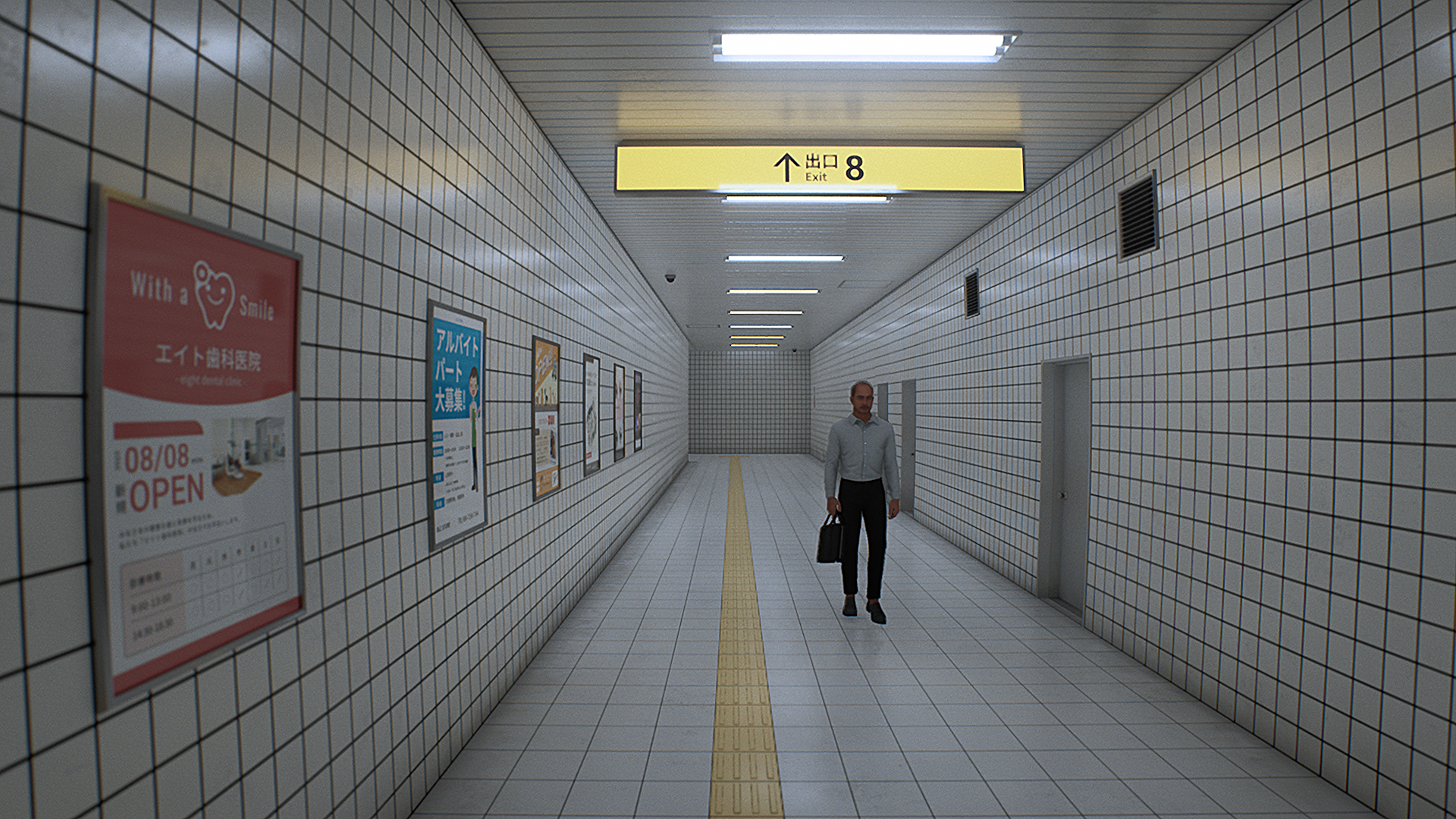
Developed and published by 灯白社, the psychological horror adventure is available for PC on Steam. Rather than directly controlling its central character, you take part as one of the people watching a livestream.
Investigate by day, intervene by night
The story centers on Tsumimi, a former idol whose streaming career is now in a precarious position. You become involved in her broadcasts while searching for the missing Mashiro.
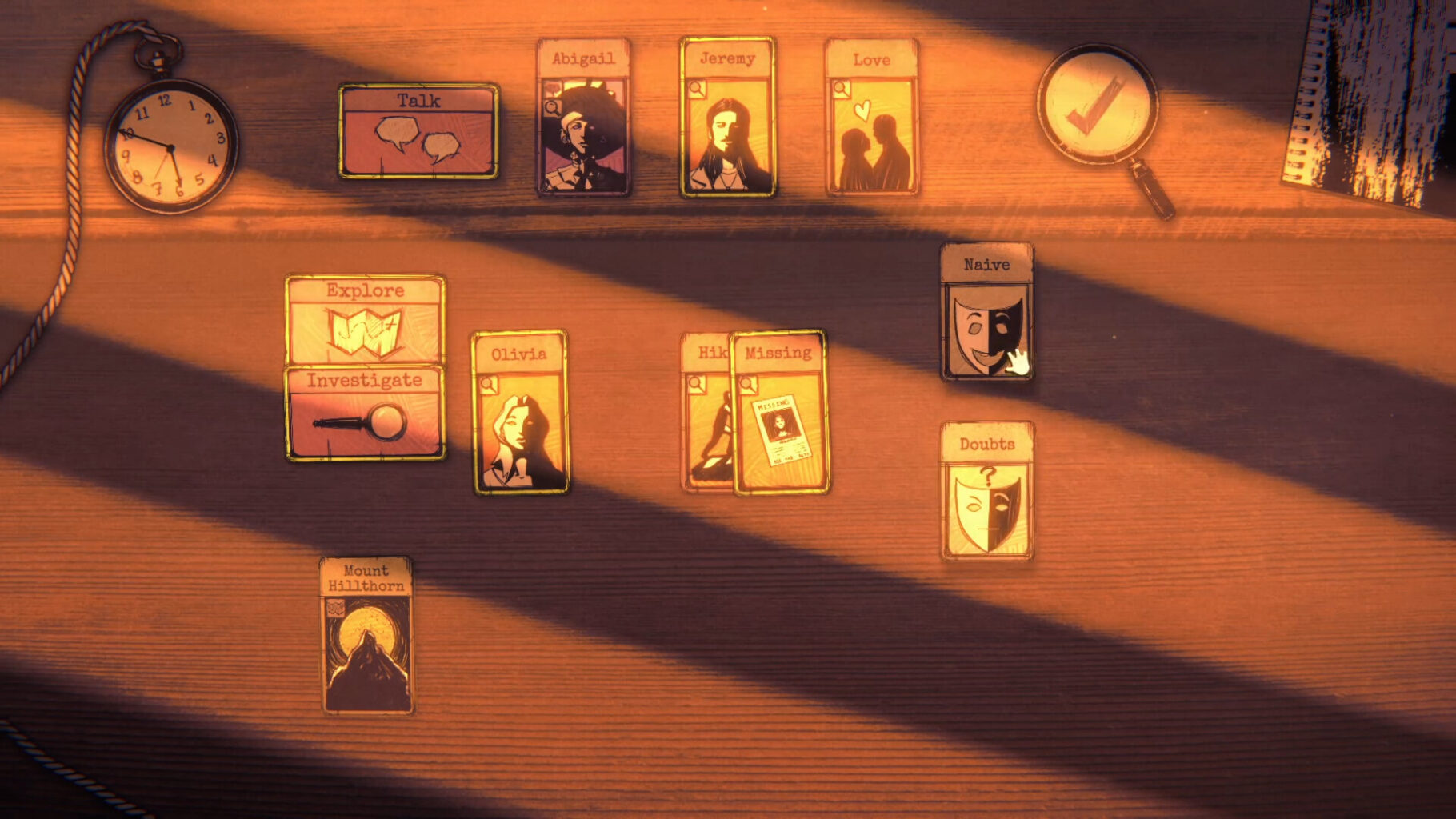
The story unfolds over 15 days. During the day, you gather information through social media, fan sites and map searches. At night, broadcasts begin, and the clues you found inform how you intervene through comments, tips and gifts.
Tipping inside the game is more than a way to show support. The act of sending money, familiar from streaming culture, becomes a mechanism for advancing the story.
The ending also changes with your final choices. This is not simply a game about watching frightening footage.
More than 200,000 wishlists — but what happened after launch?
The game attracted attention before release. According to its developer, Steam wishlists exceeded 200,000. Wishlists record people who want to check a game later; they are not sales.
Music videos associated with the theme song also passed a combined three million views across video platforms in Japan and overseas.
Attention, however, does not necessarily mean players were satisfied.
When checked on October 26, Steam’s user rating was “Mostly Negative”: 35% of 212 reviews were positive. Some reviewers praised the unusual world and presentation, while others pointed to a confusing interface and problems with progression.
Those were early impressions and could change. Even so, they illustrate that an interesting idea does not automatically produce an easy-to-play game.
The boundary between games and livestreams blurs
The important shift is less about popularity than the player’s role. In a conventional game, you often move a protagonist past obstacles or choose dialogue options.
In Tsumimijikan, you watch a streamer within the story and intervene as a viewer. Watching, commenting and searching for clues — familiar online activities — become the controls.
This is not an AI game. It still suggests that games no longer compete through advanced 3D graphics or complicated controls alone.
Instead of asking what players control, ask what role they occupy. That change alone can transform an experience.
The audience could become the next protagonist
More audience-driven games may follow: stories in which spectators decide a streamer’s actions, games that respond to comments, or mysteries viewers solve together. These are possibilities rather than announced features of this game.
The response to Tsumimijikan suggests participation by itself is not enough. Players need to understand how their actions influenced the story and why an outcome occurred. Without that clarity, the freedom to intervene can become confusion.
The combination of livestreaming and games is still developing. The audience is already helping move the story forward. Making that participation consistently enjoyable is the next challenge.