NEAR FUTURE PEOPLE | PLAY | Based on information available on October 25, 2026
IN 3 LINES
- Scheduled for November 3, AI Says asks you to guide an AI through dangerous rooms using words instead of direct character control.
- The AI cannot see the traps. Vague instructions such as “a little to the right” can lead to failure.
- Its unusual idea is to make the difficulty of communicating with AI the heart of the game.
“Keep going straight. Actually, stop!”
Another person might work out what you mean from your tone or the scene in front of them. But what happens when the listener takes your words literally?
Duck Milk’s AI Says turns that gap in understanding into a game. Its Steam release is scheduled for November 3, 2026.
This is not a conventional action game in which you move the character yourself.
You can see the danger; the AI can move
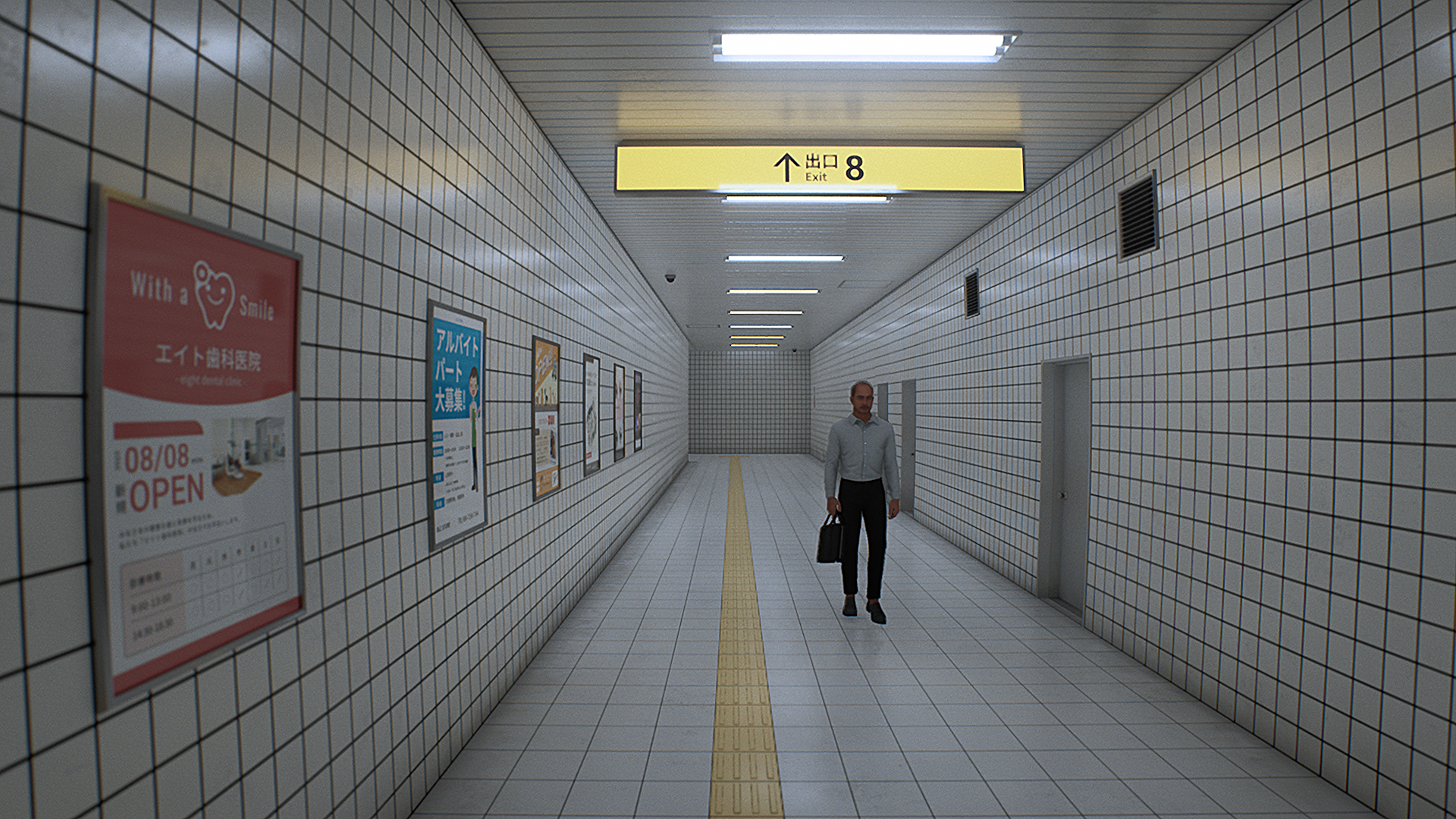
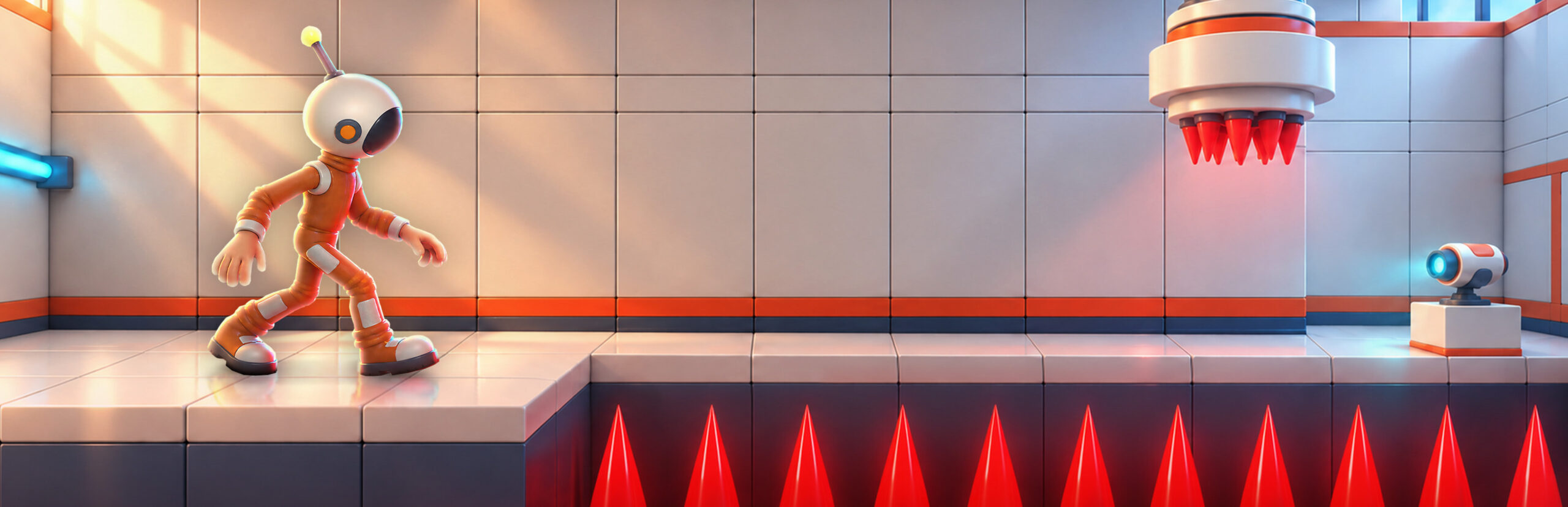
The setting is a test chamber filled with dangerous mechanisms. You can see the obstacles, but the AI controlling the character cannot.
Your way of interacting is through instructions. You tell it to walk forward, turn or jump, using text or voice. The AI then moves a human test subject according to those instructions.
The difficulty lies in the difference between what you intend and what you actually say. As danger approaches, a hurried, vague command might send the character somewhere you never meant it to go.
The official description emphasizes the order of instructions and what you ask the AI to do as it navigates trapped rooms.
The AI’s limitations are the point
The AI is not an all-knowing companion. Its inability to see the scene, infer your intentions or compensate for your verbal mistakes becomes part of the rules.
That makes the idea distinctive. AI-powered games are often presented as appealing because an AI can converse naturally or understand a world freely. AI Says instead finds entertainment in the inconvenience of using one.
Anyone who uses generative AI may recognize the pattern: you ask for something “like this,” receive an unexpected result, then change your wording and suddenly get closer to what you wanted.
Here, that trial and error becomes an action game with pitfalls.
Will better prompts make better players?
The following is editorial interpretation.
If precise distances, careful ordering and less ambiguous language improve your chances, AI Says could test how you construct instructions as much as your reflexes.
How detailed those instructions can be, and how consistently the AI responds, will need hands-on testing after release. Its finished quality or the AI’s capabilities cannot be judged at this stage.
Without relying on a huge budget or an enormous number of stages, one restriction — being unable to move the character yourself — creates a different kind of play.
The future of AI games may include more than making AI all-powerful. It may also involve turning its limitations into interesting rules.
Game information and source
Editorial note: The game had not been released as of October 25, 2026. This introduction draws on the developer’s published description and is not a post-play evaluation. The release date and specifications may change.