NEAR FUTURE PEOPLE | PLAY | Based on information available on October 26, 2026
IN 3 LINES
- In the free game Jono, only one person worldwide controls the character at a time, and each turn lasts just one minute.
- SteamDB recorded a peak of 127 concurrent users on October 24. One player acts while the others watch or wait, sharing the same adventure.
- Its appeal comes from following another person’s play as part of your own story, rather than letting everyone play simultaneously.
Hundreds of people fighting at once. Thousands exploring the same world. For years, online games have evolved toward bringing more people into the action together.
Jono heads in the opposite direction.
There is only one character for the entire world. While someone else is playing, you cannot control it. When your turn finally arrives, you have just one minute before handing control to the next player.
If your first thought is “Can that really work as a game?”, that may be exactly the reaction its creator wants.
A million rooms, one minute at a time
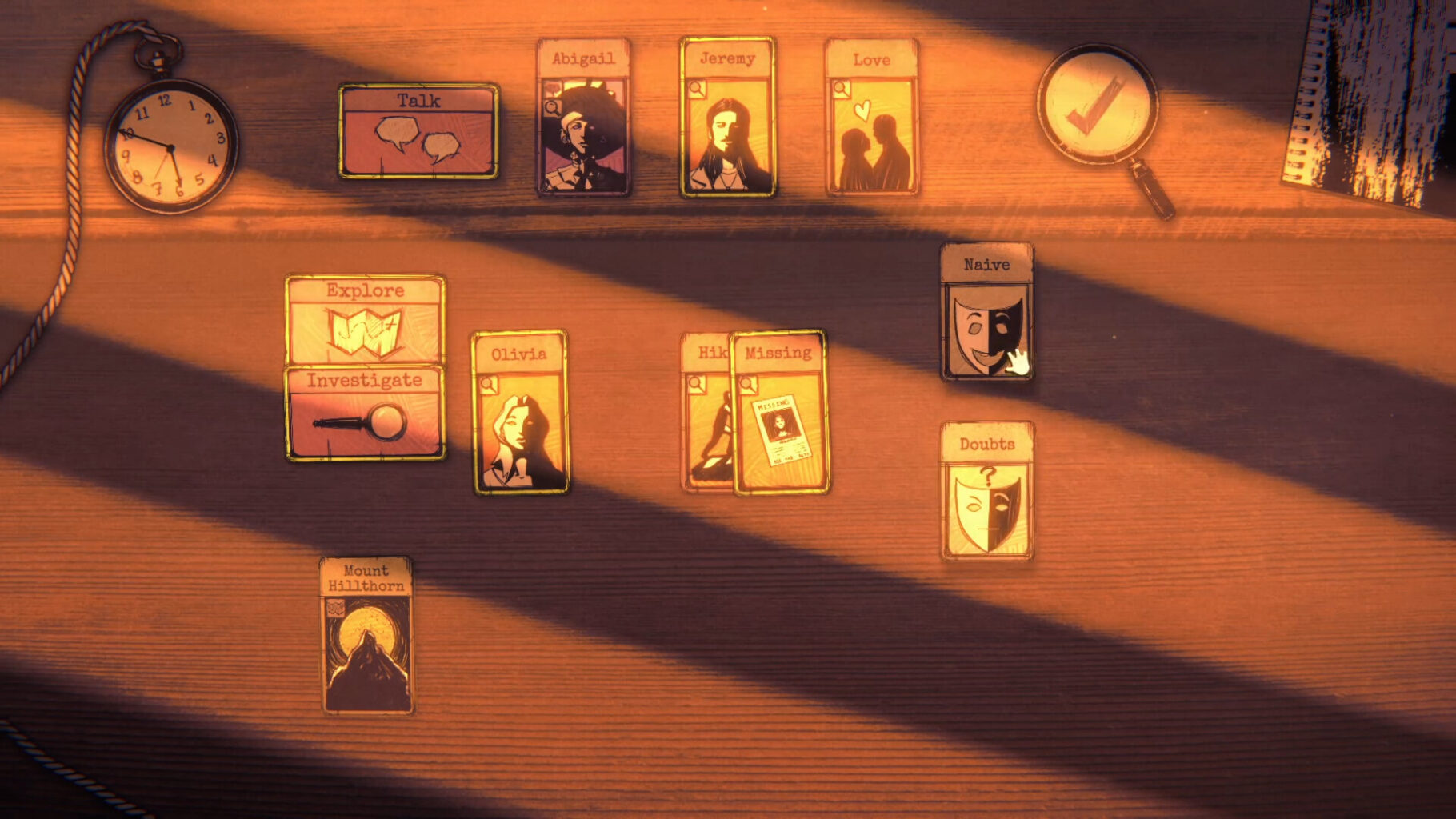
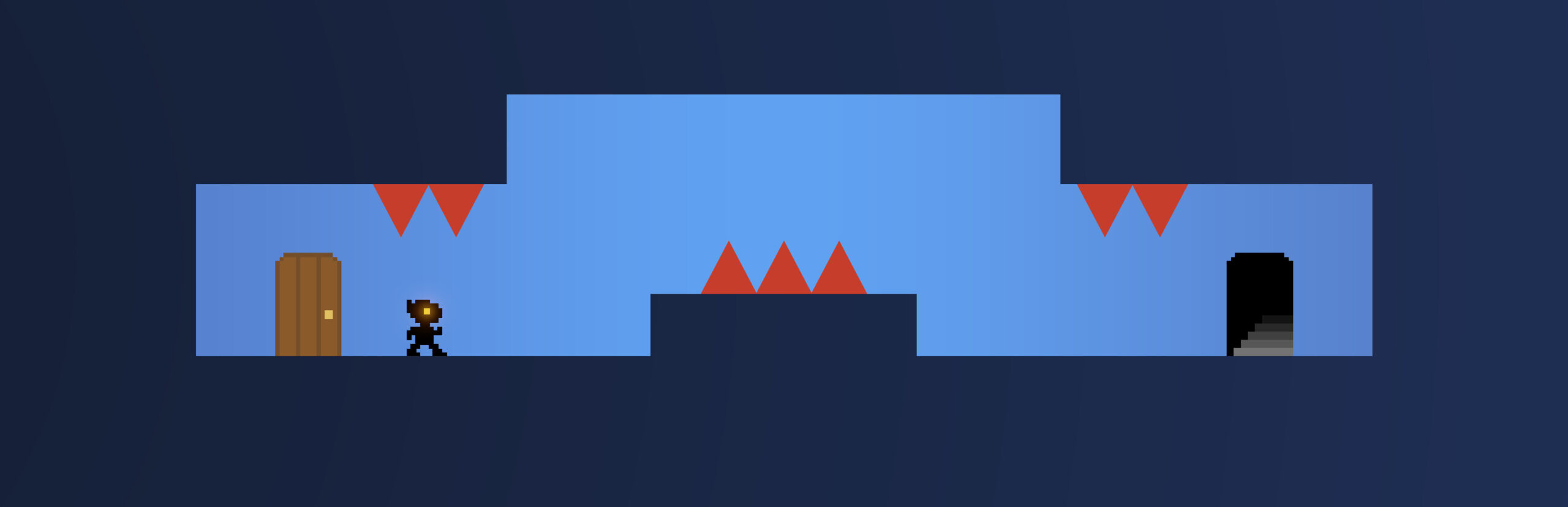
Created by Finnish solo development studio Part Time Monkey, Jono is a free 2D action game on Steam.
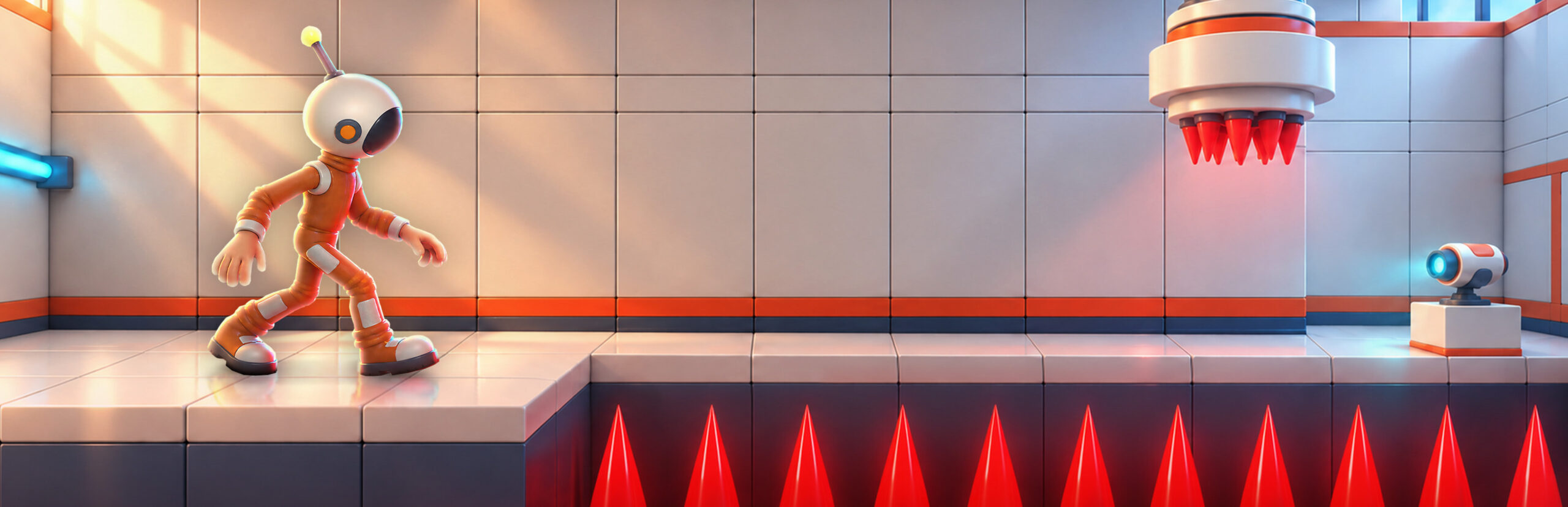
It offers a seemingly enormous journey: one million stages. On your turn, you guide a small character past spikes and obstacles. When your time runs out, the next person continues from the position you leave behind.
Failure does not reset the whole world’s progress. Dying sends the character back to the start of the current room, but rooms already cleared remain cleared for everyone.
Your own time at the controls is short. In return, someone else’s small victory becomes everyone’s victory.
Most of the time, you are the audience
People waiting for their turns can watch the current player in real time. They can offer advice in chat, cheer successes or react together when something goes wrong.
How many people actually share that experience? According to SteamDB’s charts, Jono reached 127 concurrent users on October 24, 2026 (UTC), checked on October 26. That is the number of people running the game on Steam, including spectators and players waiting their turns. It does not mean 127 people could control the character at once.
Beside a blockbuster game, that is a small number. Yet imagining more than a hundred people watching the same character and waiting for their next minute gives a sense of this game’s particular energy.
It recalls a familiar scene from older arcades: a crowd gathering behind a skilled player, cheering each move. Time spent without touching the controls was still part of the experience.
Jono deliberately removes the convenience of playing whenever you like and makes waiting part of the game. It is something like a small shared broadcast in which players and spectators keep trading places.
Interesting play does not require more technology
Working through a million rooms in order might sound repetitive. Jono also lets players create stages, however. Someone somewhere will attempt the difficult section you designed, giving you another reason to watch.
The striking idea is neither photorealistic graphics nor a vast virtual world. A single change to the rules turns a single-player action game into a worldwide collaboration.
There are limits. Long queues can make it hard to get a turn, and the experience changes if participation drops. Its lasting appeal may depend on an active community.
Even so, Jono suggests something worth remembering: a game may not need everyone to play at once. It may need everyone to care about the same unfolding event.
Game information and sources
- Jono — official Steam store
- Part Time Monkey — official developer website
- SteamDB — concurrent user figures, checked October 26, 2026; dates in UTC
- AUTOMATON — reporting and introduction
Editorial note: This introduction is based on official specifications and published sources. It is not a hands-on review of waiting for a turn and playing. Concurrent user figures are third-party data from SteamDB. Availability and user counts may change.